High Availability Server Colocation for Cloud Infrastructure
Securing Data Center Space: Critical Guidelines for Technology Firms
Leasing data center space is a strategic decision for technology firms. Power reliability, location, and security protocols are essential factors that impact operational efficiency. Cost structures and lease terms also play a critical role in long-term planning. As businesses strive to accommodate shifting data needs, understanding these elements becomes imperative. What specific criteria should businesses prioritize to guarantee they make informed full information choices in this challenging environment?
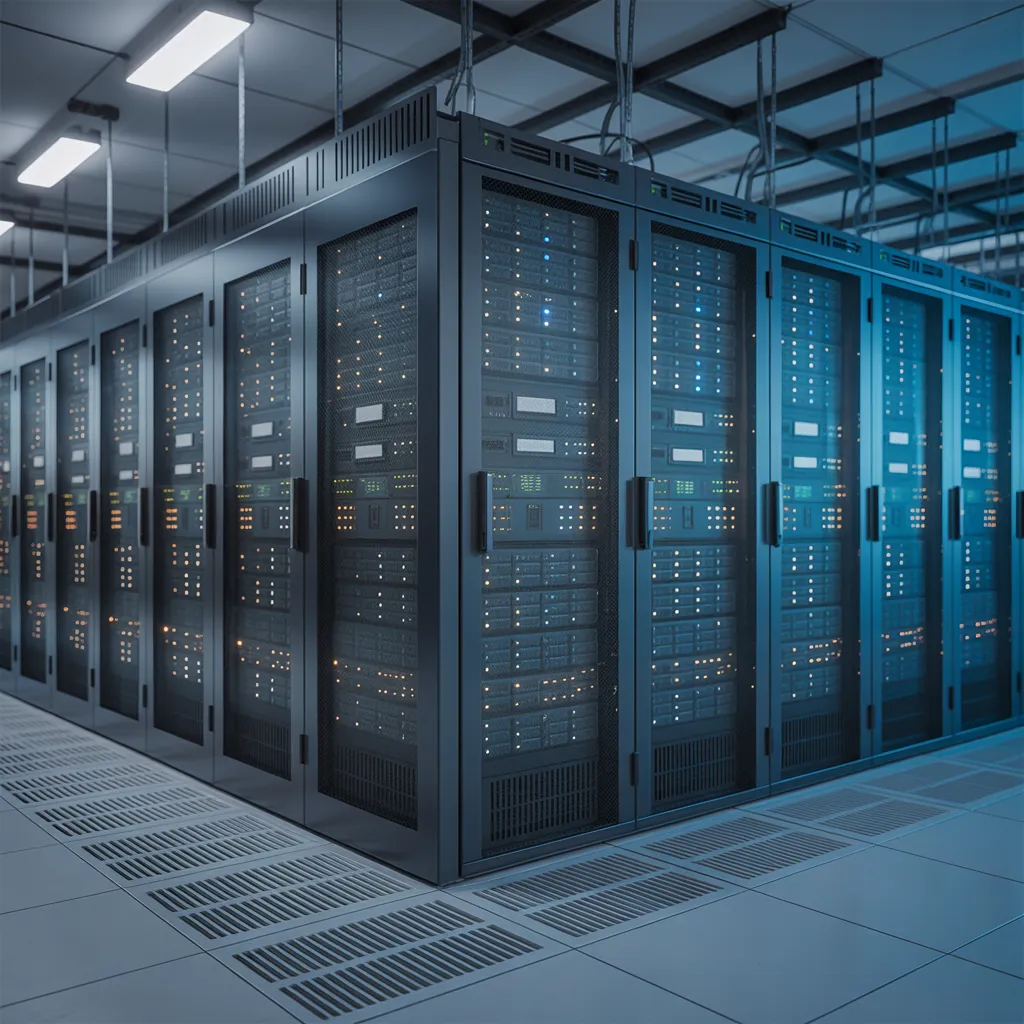
Choosing the Right Location for Data Center Leasing
When choosing a location for leasing a data center, organizations must assess various important factors that can impact cost and operational efficiency. Geographic location greatly influences accessibility and latency, so proximity to major markets is crucial. Furthermore, companies should examine the local climate, as humidity and temperature can influence cooling needs and overall energy usage.
The presence of reliable infrastructure, including transit systems and fiber optic communication networks, is vital for maintaining uninterrupted operations. Moreover, regulatory factors, such as zoning requirements and environmental rules, can impact the viability of a site.
Companies should also assess the risk of natural disasters, such as floods or earthquakes, which may jeopardize data integrity. In the end, a carefully selected location not only reduces operational vulnerabilities but also enhances performance, confirming that the data center complements corporate strategies and expansion plans.
Assessing Power and Connectivity Choices for Your Data Center
Identifying an optimal location for a data center establishes the foundation for examining power and connectivity infrastructure, each of which plays a critical role in operational performance. Tech companies must prioritize reliable power sources to guarantee minimal downtime. This requires assessing the presence of redundancy solutions, including uninterruptible power supplies (UPS) and emergency generators, which can safeguard against outages.
Connection options are just as important. Organizations should examine the availability of various internet service providers to boost bandwidth and lower latency. This secures reliable network performance, which is essential for data transmission and operational productivity. Additionally, proximity to fiber optic networks can greatly impact connectivity speeds.
Fundamentally, a complete review of power supply and network connectivity options will allow technology firms to arrive at educated choices, maximizing both performance and reliability in their data center operations.
Everything You Need to Know About Data Center Security and Compliance
When leasing data center space, understanding security and compliance is essential. This involves assessing physical security measures, adhering to data encryption standards, and satisfying regulatory compliance requirements. Together, these factors ensure the safeguarding of sensitive information and the continuity of operations.
Physical Protection Measures
Implementing comprehensive physical security measures is vital for organizations that lease data center facilities. Such protocols safeguard critical data and systems from unauthorized entry, theft, and unforeseen disasters. Key components include access control systems, which limit facility access to approved staff via biometric scanning or key cards. CCTV systems and monitoring solutions provide uninterrupted observation of the facility, while trained security staff can address any incidents swiftly. Moreover, structural barriers including fences and fortified walls help prevent intrusion. Businesses must also consider the geographic placement of the data center, ensuring it is situated away from natural disaster zones. Conformance with established industry standards and regulations bolsters security measures, delivering confidence to tech organizations that place their data in the hands of third-party facilities.
Data Encryption Protocols
Data encryption standards play a critical role in safeguarding sensitive information within data centers. These standards guarantee that data remains secure both at rest and in transit, protecting it from unauthorized access and breaches. Well-established encryption protocols like AES (Advanced Encryption Standard) and RSA (Rivest-Shamir-Adleman) offer comprehensive frameworks for data encryption. Applying these standards minimizes data theft risks and improves the organization's security standing. Additionally, organizations should consider key management practices, guaranteeing that encryption keys are securely stored and managed. Routine assessments and revisions of encryption techniques are necessary to counter evolving threats and security gaps. By adhering to established encryption standards, tech companies can bolster their data security and instill confidence in their clients regarding data protection.
Compliance Regulatory Requirements
Steering regulatory obligations is vital for companies operating data centers. Following regulations such as GDPR, HIPAA, and PCI DSS confirms that data is managed safely and shields sensitive information. Companies must carry out regular audits and implement robust security measures to satisfy these requirements. Failure to comply can cause significant penalties and reputational harm. Additionally, companies should keep up with shifts in regulatory requirements and industry best practices to adjust their approaches as needed. Collaborating with established data center providers can facilitate adherence to these regulations, as many provide integrated compliance tools. Ultimately, adopting a preventative approach to regulatory compliance not only secures data but also builds customer trust and confidence in the company's dedication to security.
Exploring Data Center Costs and Rental Terms
Working through the challenges of data center expenses and leasing conditions requires a solid understanding of multiple cost frameworks and underlying additional expenses. Lease duration flexibility can greatly impact general expenditures and operational effectiveness. Understanding these elements is critical for reaching well-grounded conclusions in data center leasing.
Comprehending Cost Structures
Renting data center space entails a complex interplay of expenses and lease conditions that can significantly affect an organization's budget. Primary financial elements encompass core rental rates, utility costs, facility fees, and ancillary services like climate control and security measures. Enterprises need to account for changing costs that vary depending on operational demands, and the likelihood of increases linked to market fluctuations or inflationary pressures. Comprehending these monetary factors is essential for reliable cost estimation and financial planning. Additionally, rental contracts frequently include provisions concerning coverage requirements, accountability terms, and exit provisions, which can further affect overall expenses. A thorough analysis of both direct and indirect costs is essential for tech companies to make informed decisions that correspond with their business and fiscal priorities.
Flexible Lease Duration Options
While many organizations prioritize cost efficiency in data center leasing, the flexibility of lease duration can greatly influence their overall strategy. Technology companies frequently encounter rapid shifts in demand driven by market fluctuations or technological advancements. Consequently, choosing shorter lease terms can offer the flexibility required to respond to these changes without taking on long-term commitments. On the other hand, longer leases may provide cost advantages and stability, making them attractive to companies with foreseeable growth patterns. Additionally, organizations should consider renewal options, as these can provide further flexibility in adjusting space according to future needs. In the end, assessing lease duration flexibility is critical for synchronizing data center strategies with business goals, guaranteeing that companies stay competitive and responsive in an evolving landscape.
Hidden Fee Transparency
How can organizations effectively manage the frequently neglected costs associated with data center rental agreements? Undisclosed costs can substantially raise the total cost of leasing space, requiring businesses to perform comprehensive research. These fees may include charges for energy usage, facility management, safety protocols, and connectivity, often buried in lease agreements. A comprehensive analysis of all charges is essential; companies should pursue openness in cost frameworks and clarify any ambiguous terms. Furthermore, renegotiating contract conditions can reduce unforeseen expenses, guaranteeing that every stakeholder comprehends their monetary responsibilities. By staying attentive and prepared, tech companies can better navigate the complexities of data center leasing and avoid surprises that could impact their bottom line.
Planning for Growth: Scalability and Flexibility in Data Center Leasing
Flexibility is essential in the constantly shifting landscape of technology, especially when it comes to data center rental solutions. Organizations should emphasize scalability and flexibility to accommodate shifting needs. As companies expand, their data needs frequently increase, calling for a flexible leasing plan. Selecting a data center that allows for easy scalability can help organizations avoid costly relocations or infrastructure overhauls.
Flexibility in lease terms is equally crucial, empowering companies to adapt their resource and space distributions as needed. This could include renegotiating contracts or choosing shorter lease durations that support rapid growth or contraction. Furthermore, tech companies should consider providers that provide flexible frameworks, allowing for gradual growth without considerable preliminary expenditures. By prioritizing these factors, businesses can guarantee their data center solutions align with their future aspirations, consequently driving continuous development and functional performance.
Comparing Colocation vs. Dedicated Data Center Solutions for Your Needs
Choosing the most suitable data center option is essential for companies navigating the challenges of modern technology. Dedicated data center solutions and colocation each offer unique benefits suited to different organizational needs. Colocation permits organizations to secure space within a shared infrastructure, enabling cost-sharing for infrastructure and resources. This approach proves highly valuable for organizations looking for expandable capacity without significant upfront investment.
Conversely, dedicated data center solutions deliver sole access to a dedicated facility, offering superior security protocols and personalized setups. This approach is advantageous for organizations with particular regulatory obligations or those demanding specialized performance standards.
Ultimately, the choice copyrights on considerations like budget, security needs, and growth potential. Businesses must evaluate the adaptability and affordability of colocation in relation to the control and security provided by dedicated solutions. A comprehensive evaluation of organizational demands will direct businesses toward the most effective data center solution.
Common Questions and Answers
How Much Time Does It Usually Take to Set up a Leased Data Center?
Typically, setting up a leased data center takes approximately three to six months. This period encompasses planning, setup, and configuration steps, determined by the complexity of the project requirements and the readiness of the available infrastructure and resources.
What Are the Common Pitfalls in Leasing Data Center Space?
Typical errors in securing data center space include insufficient due diligence, ignoring future scalability needs, failing to assess power and cooling requirements, overlooking key contract terms, and failing to account for geographical risks that could impact operations.
Am I Able to Tour the Facility Before Committing to a Lease?
Absolutely, future tenants can generally schedule a tour of the facility before committing to a lease. This enables them to assess infrastructure, security measures, and overall suitability, ensuring informed decisions about their data center space requirements and expectations.
What Support Services Are Typically Included in Leasing Agreements?
Service offerings within lease contracts generally consist of security, maintenance, cooling systems, power management, technical support, and in some cases extra services like data backup and network oversight, guaranteeing reliability and operational efficiency for lessees.
How Can I Manage Equipment Maintenance in a Rented Data Center?
To oversee equipment maintenance in a leased data center, you should develop open communication with the facility provider, plan regular assessments, and guarantee that maintenance obligations are explicitly outlined in the rental agreement.